Why it matters

In 2022, the conversation about AI was loud everywhere except the workbench.
Designers were attending panels, reading hot takes, and debating the future of creative work, but relatively few were testing these tools on real production tasks. AIxDESIGN Lab was created to close that gap on ourselves first. Through the work, we surfaced two lessons that proved more important than the tools themselves: large models tend to pull outputs toward a default centre of mass, flattening identity, aesthetics, and voice, and meaningful generative design depends on having a documented design system to generate against. The foundational work — defining the rules, patterns, and visual language — turned out to be as important as the AI systems built on top of it.
How we did it

The Lab combined experimentation, documentation, and design-system building in parallel.
Yasmin Morgan led a series of hands-on AI tool experiments, testing publicly available models against AIxDESIGN’s real production needs, while Andrew Heirons developed the documented design system required to support generative outputs. Building on that foundation, Deniz Kurt and Design Systems International (DSI) used their Mechanic framework to create AIxDESIGN’s first generative design tool. Every stage of the process was documented and published openly, including the dead ends, making the research logs as valuable as the outcomes themselves.
What we made
AI Icebreaker Toolkit
A collection of AI icebreakers used during AIxD workshops and interactive sessions to instigate playful criticality, demonstrate algorithmic bias, and let people experience rather than be told about computational concepts. Some curated from the web, some developed in-house. Led by Yasmin Morgan.


Fluent Hallucinations - the Tagline Generator
A tagline generator for AIxDESIGN, and the research log behind making it. Yasmin Morgan compared the qualities of different text-generation models (older RNNs vs newer transformer models) by building a generator to produce a resonating brand statement for AIxDESIGN. The write-up explores the shift from craft to synthesis and the balance between believability and imagination in machine-generated text.


Generative Playgrounds - Image Segmentation Experiment
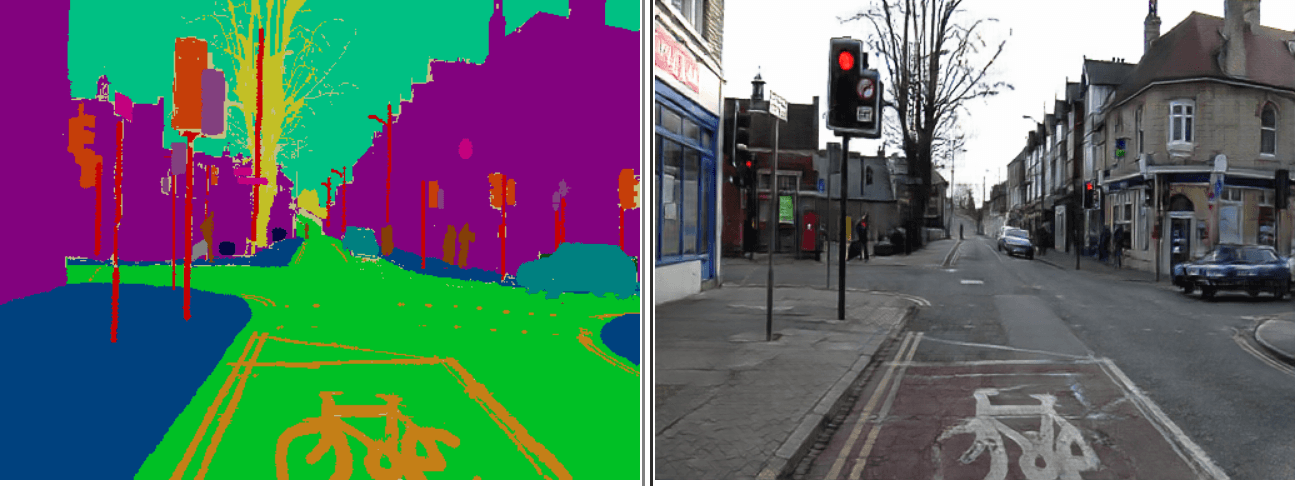
An experiment in dataset preparation as design work. Yasmin Morgan built a custom COCO dataset of annotated playground images to generate algorithmic backgrounds for the Gather Town space used during the AI Playground program. The write-up doubles as an ethical case study on image annotation, the creative use of segmentation, and what gets baked into a dataset when you build it yourself.

Generative Flyer Maker (Mechanic × p5.js)
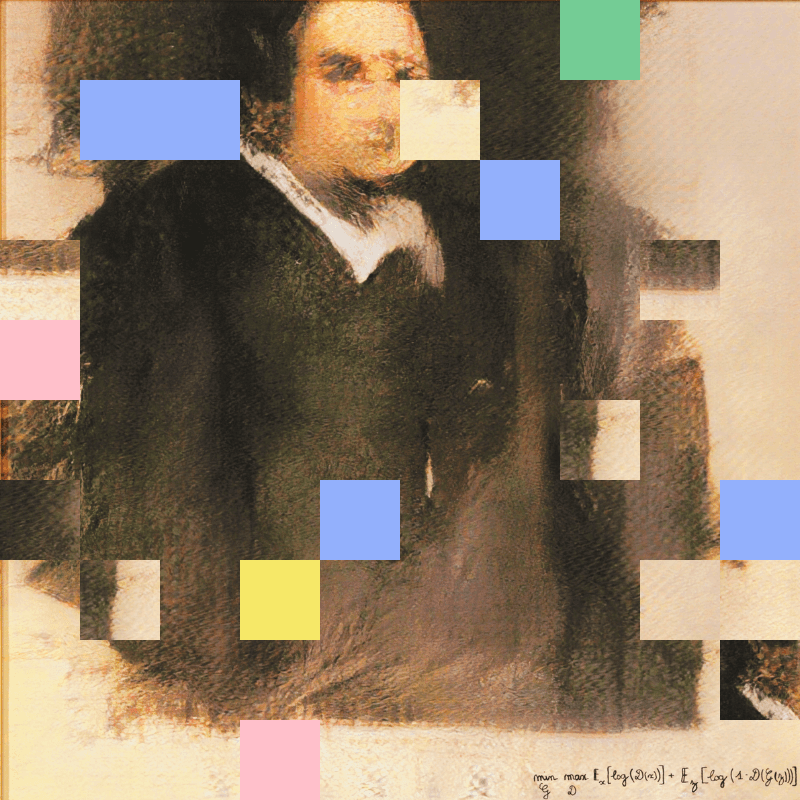
A custom generative tool for project graphics, built with creative coder Marina Cardoso. Inspired by a Constraint Systems tool and adapted from their open-source code on GitHub, the tool layers input images into a visual assemblage using a pixel complexity sorting algorithm. Used for AIxD's project graphics.


More projects.
(2019-25©)

